Wednesday, November 23, 2011

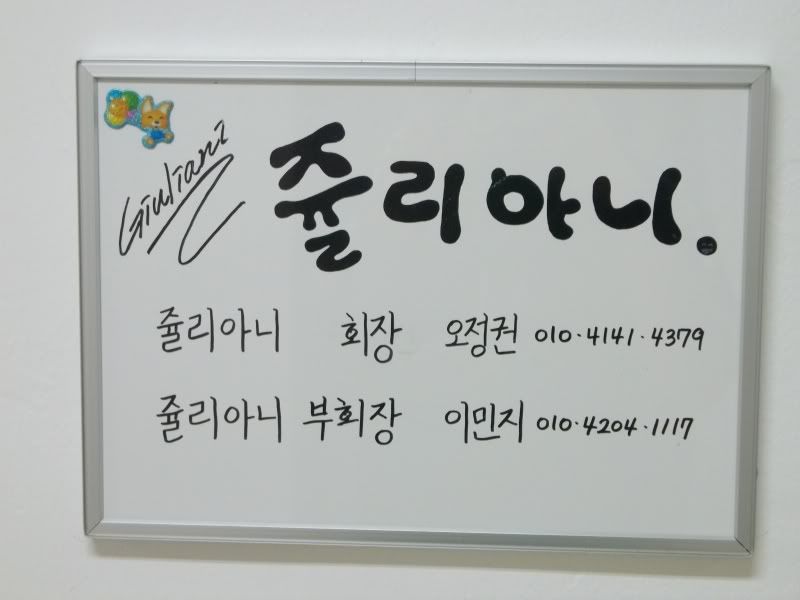
One of the SoonChunHyang University campus bands, Giuliani. I don't think they mean to reference the former mayor of New York, but they do play acoustic guitars.

Because my Traditional Korean Drumming course is held in the student union building, it's in the same area as the many bands that SCH students can take part in. Earlier in the term I took a few pictures of the doors to their practice rooms, but hadn't been sure how to use them for my blog. That is, until I discovered that one of my language exchange partners was a singer for one those bands and would be performing towards the end of the semester. So for this week's first cultural/experience/general Korea blog, I'll be writing about on campus bands and how they are organized. It's not something I've seen back in America, so it seemed to me something worth noting.
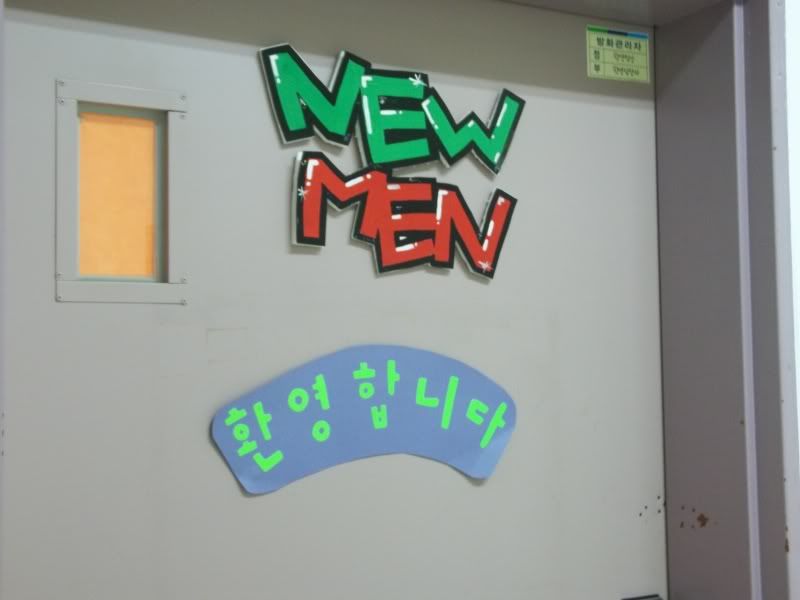

Another SCH band, I think - New Men.

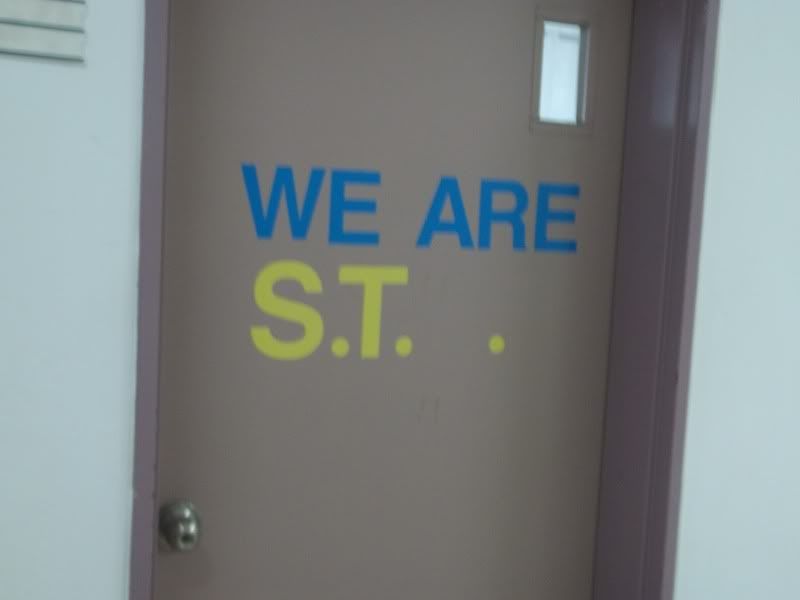
The name is incomplete, so I'm not sure what this band's name is. Other campus bands are CRANE, T.H.U.G., CHORD and Igneous.

How the bands work is pretty straightforward. The university provides them with practice space in the student union building and a place to perform each semester. This also provides students with an extracurricular activity that allows them to hone their musical talents. In exchange the school expects them to perform a concert once per semester, as well as perform for special events on campus. Styles vary - Giuliani appears to use mostly acoustic guitars while CRANE advertises itself as a rock band.


My exchange partner and friend SangJi is a singer for Igneous, who performed this past Tuesday in the student union building. Since I'm most familiar with Igneous I will use them as my example for who comprises the band's members. Many students are part of the band, more than there are instruments and parts to play; because of this they switch off between song sets so everyone gets a chance to be on stage. Older students in the band get more stage time, as would be expected. But every member gets to perform at least two songs during the concert, and all practice very hard for the big day.


The concert itself was held on the small stage on the second floor of the building, which is also where the dancing at the Halloween party was. While big enough for a small stage it also ensures that the music will be loud. My ears were really ringing after the concert but I left pretty satisfied; the music itself was played quite well by the well-practiced musicians. At times it was hard to understand the lyrics due to the noise of all the other instruments, but still an enjoyable experience.
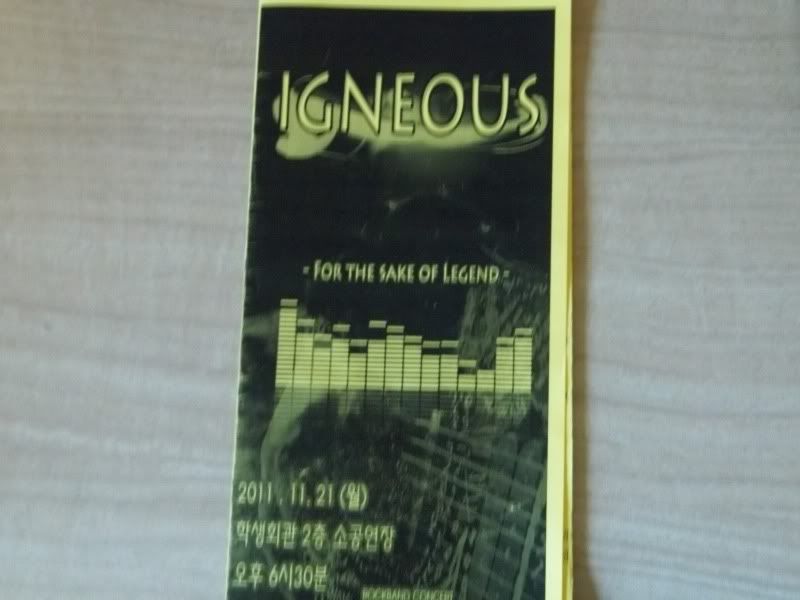


The program for the Igneous 'For the Sake of Legend' concert.
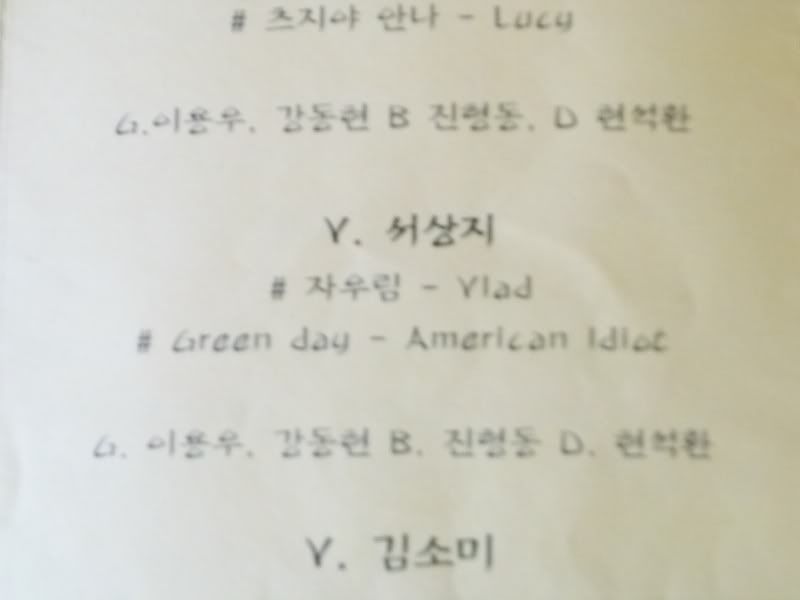
Each different singer's sets were sectioned off under their name. Here (if you can read Hangul) is my friend SangJi's set, including Green Day's 'American Idiot'.


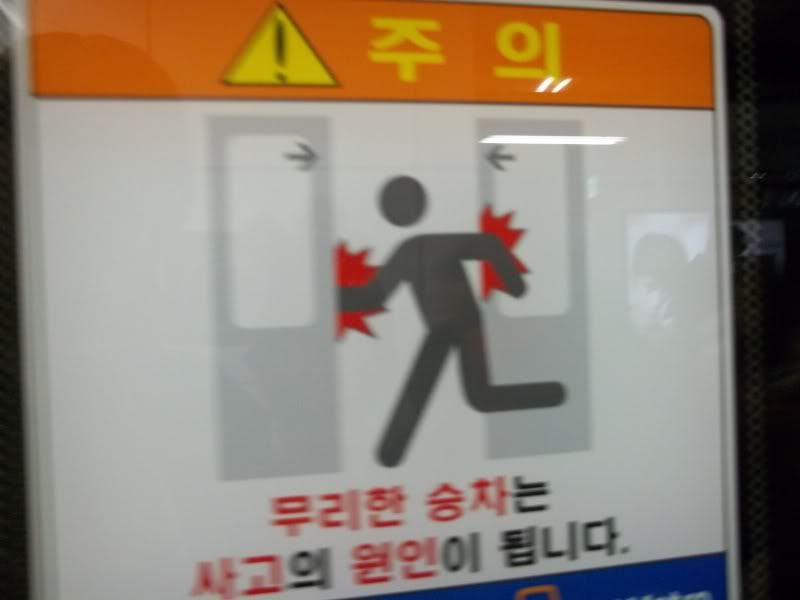
As a closing note, I'd like to share a couple of signs I found at a Metro station in Seoul last weekend. You only have 30 seconds from the time the doors on the train open until they close again. So be ready to get on board the train even if you have to cram your way on board, because it's not safe to leap in at the last moment. I actually saw a guy try to use his bag to stop the doors of one, and after he failed to get in the train left anyway. So follow the directions on the sign and be patient - another train will be along soon if you're in Seoul.
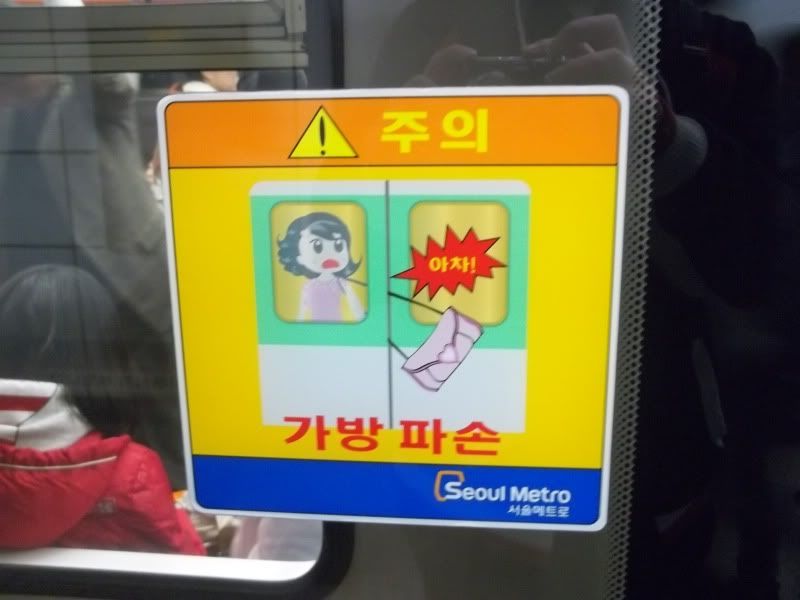
Don't use your bag to stop the door!

And obviously, trying to jump through the closing doors of the subway train is dangerous.


As always this followon project blog is brought to you by: the Benjamin A. Gilman International Scholarship, Portland State University, SoonChunHyang University and the Republic of Korea. You can send questions, comments, topic requests and feedback to: hangukmartyn@yahoo.com

And my video blogs for the follown project are here: http://www.youtube.com/user/SuperBombadillo?feature=mhee

Wednesday, November 16, 2011

As I mentioned in this week's video blog, I will be travelling to be DMZ on a tour organized by the USO this Saturday. This is a popular tour for foreigners visiting Korea as well as a physical reminder of the ongoing security situation at the border. Being a social science major with an emphasis on history and political science, it was very important to me that I have the opportunity to see the DMZ while I was here. I can think of few better remaining symbols of the sad Cold War legacy of humanity than this, one of the most heavilly armed places in the world.
This week's second post will be a short preview of the DMZ, and what I hope to see while I am there. One thing I can tell you for sure is that you need to book your tour several weeks in advance if you want to go on the USO tour. I had to book mine about 4 weeks ahead, and when my friend tried to book the same day's tour a week later it was filled. So if you have a group that might be interested in going, place a reservation request for anyone who might want to go the first time. Cancellation is free four days or more before the tour date.

As most people probably already know, the DeMilitarized Zone is the border between North and South Korea. A large number of troops from both sides are stationed there; since no peace treaty was ever signed the two Koreas are technically still at war. This makes it dangerous, yet many tourists go to visit the Panmunjom area - the only part where nonmilitary persons are allowed to visit. A laundry list of clothing regulations are in place that basically boil down to not wearing anything that will make the North Koreans mad. The last thing anyone wants is for an offensive t-shirt to reignite the war.

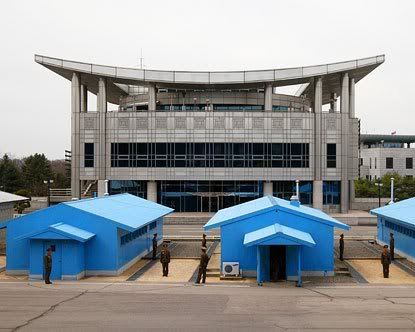
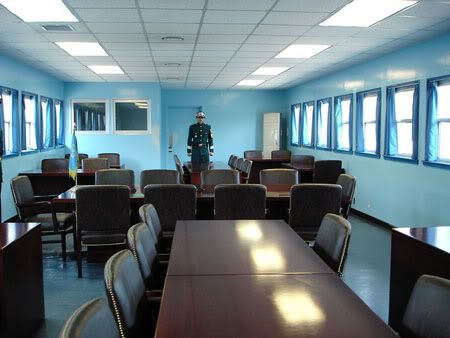
The USO tour includes the Joint Security Area - the famous blue buildings pictured above, including a meeting room which is half inside North Korean territory - the Third Infiltration Tunnel, the Axe Murder Site and the Dora Observatory. Having never heard of the axe murders, I'm curious to see just where the incident took place. North Korean soldiers apparently attacked Americans who were trying to cut down a tree that obscured visibility, killing two. And the infiltration tunnel, I think, will give more first-hand insight into how determined the North has been to undermine their southern neighbors.

But what I'm hoping to see, and if permitted get pictures of, are the North Korean soldiers themselves. While I've done a bit of research about both sides, the politics and their forces, this will be my one chance to actually get a firsthand glimpse into the other Korea. I imagine it's going to be a strange experience, maybe even somewhat unnerving. Supposedly the South Korean MPs will grab your arm if you get too close to the North's side so that the North Koreans can't grab you. It's going to be a unique experience for sure.


The conference hall where one can actually set foot into 'North Korea', so I can technically claim to have been to the North.
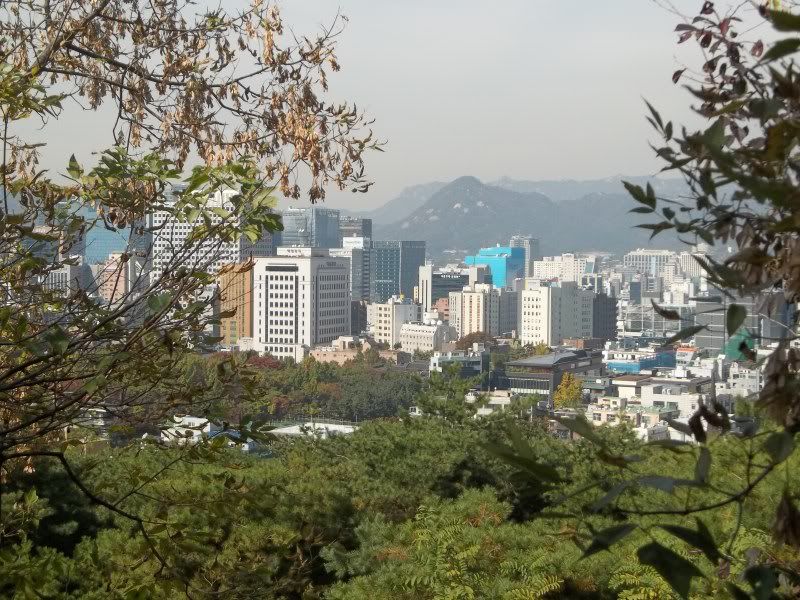
Nestled away not far from the bustling shopping district of Myeongdong is something entirely different. So much of the Republic of Korea's capital is crowded and fast paced that you wouldn't expect such a place to exist at first. If you're getting tired of seeing the same kinds of things in places like Myeongdong and Itaewon, I highly reccommend that you may a visit to this place. What I'm speaking of, of course, is Namsan park - a surprisingly large naturalistic area of Seoul near the famous Namsan tower.

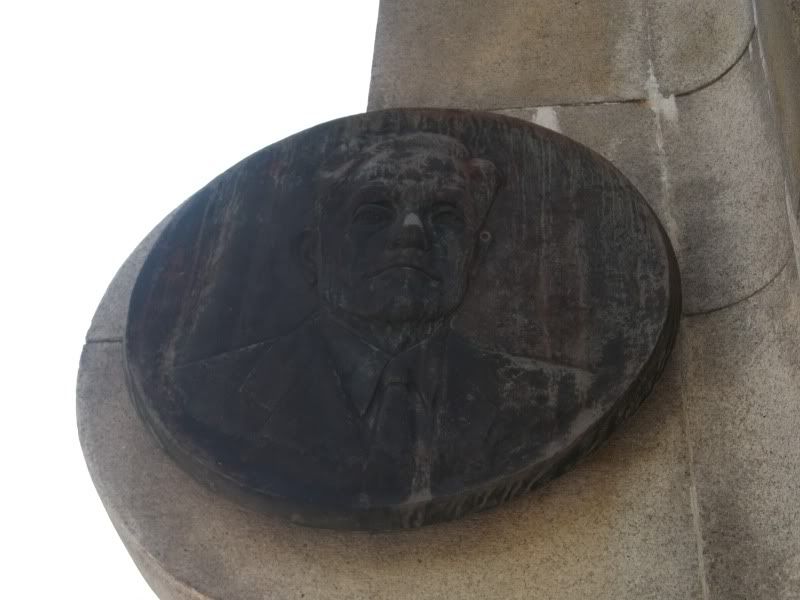
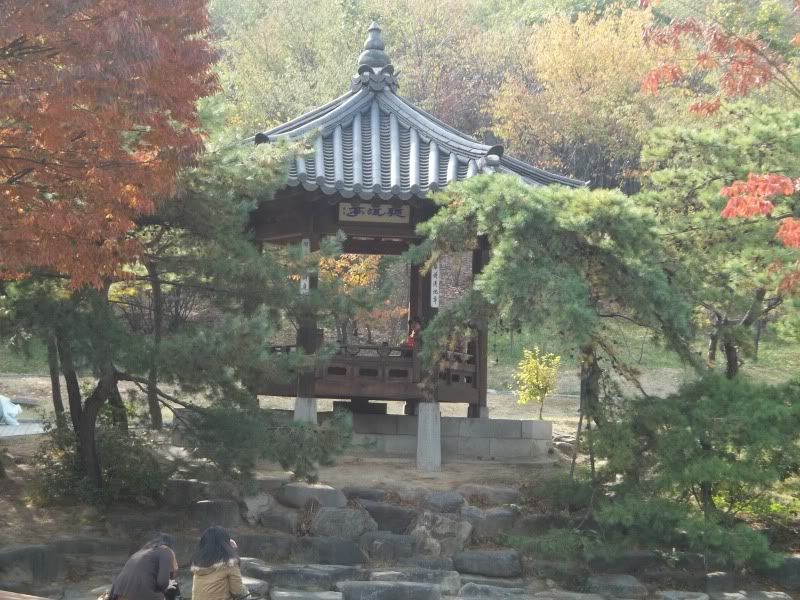
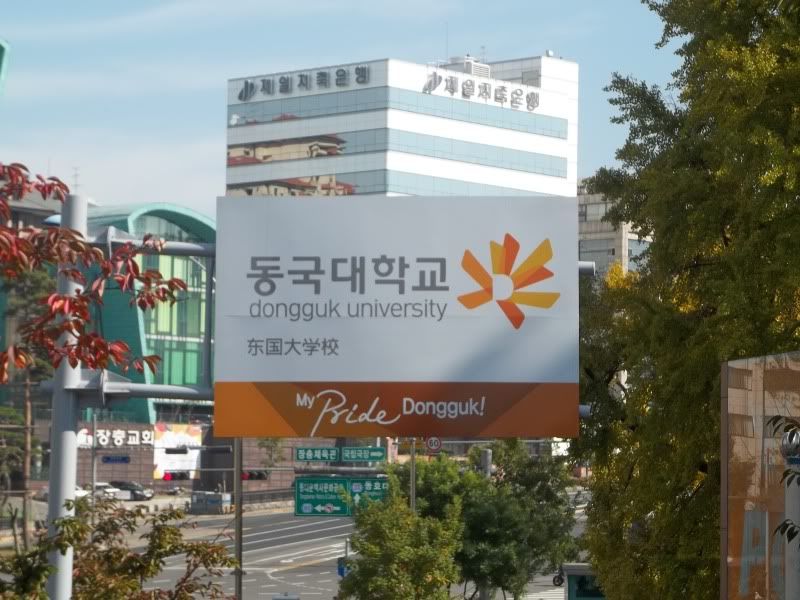
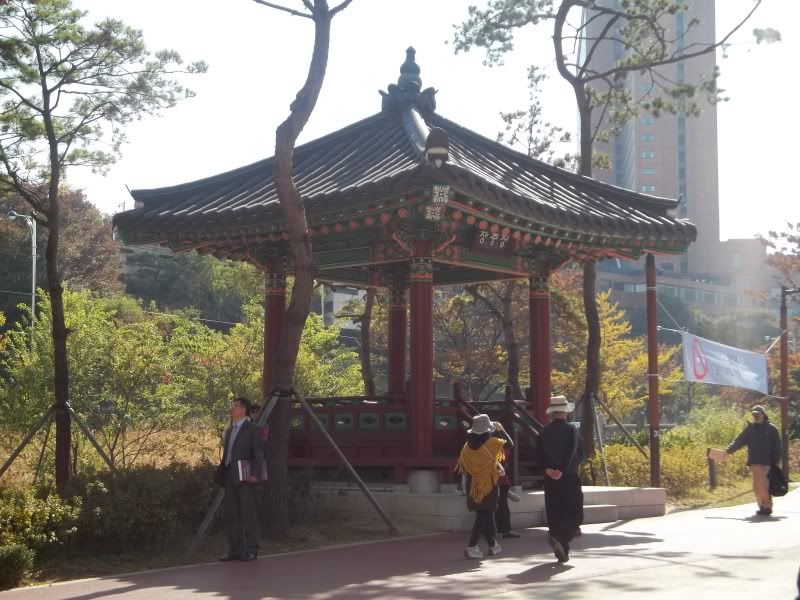
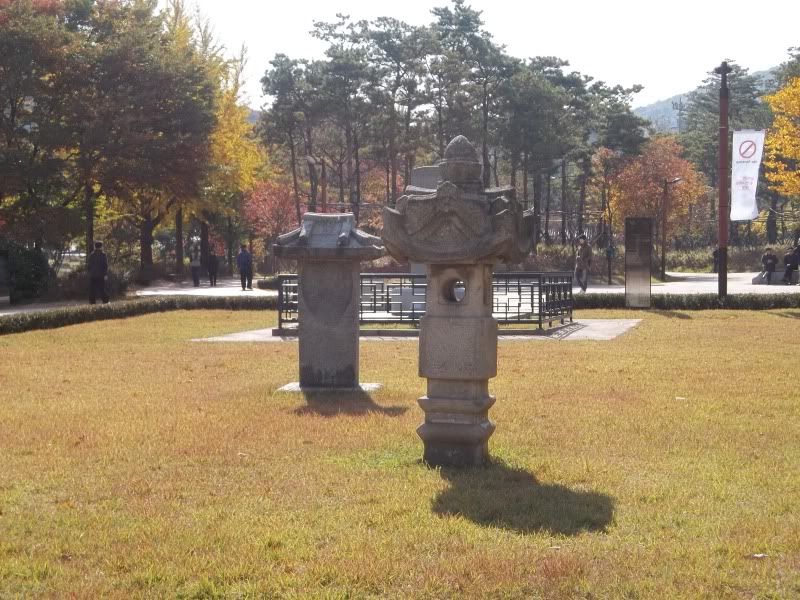
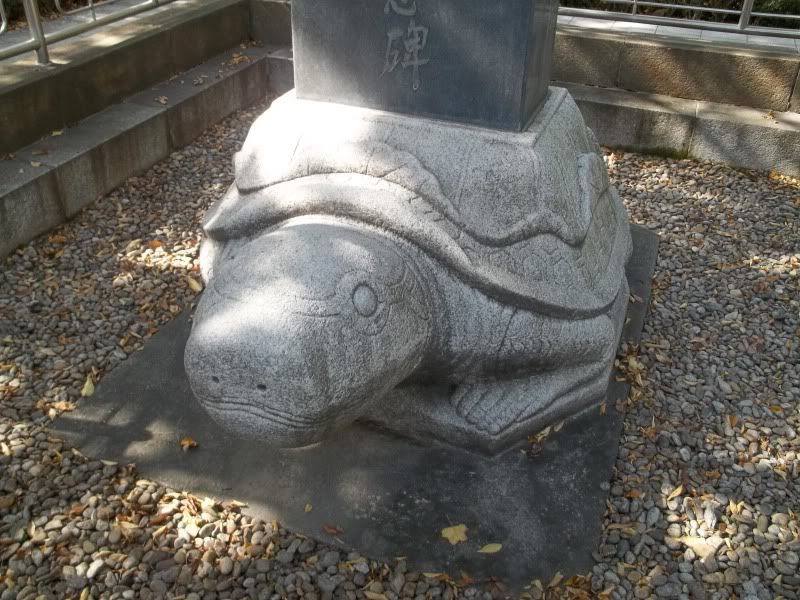
Like so many of the places I've enjoyed visiting during my time in Korea, Namsan Park is free to visit. To get there you'll need to get to the Dongguk University station and then walk just a little ways to reach the entrance to the park. The lowest levels of the park have a lot to see on their own - the pagoda below is just one of them. Numerous monuments dedicated to Korea's struggles against Japanese imperialism dot the lower tier of the park as well. Interestingly there was a statue of Ahn JongGun, the man who assassinated former Japanese prime minister Ito Hirobumi in 1907. Branded a terrorist by Japan, he is lionized in Korea and there's even a musical about Ahn's exploits.


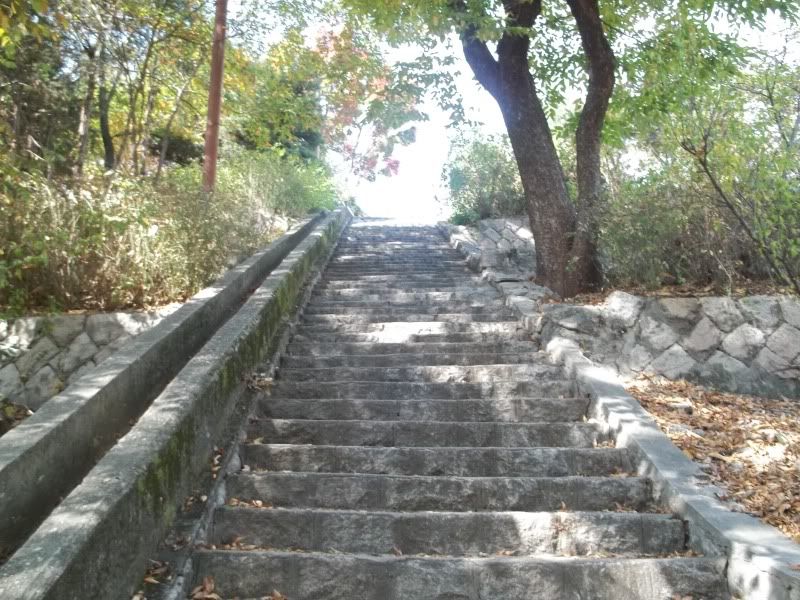
A sight all too familiar to a SoonChunHyang University student: stairs.


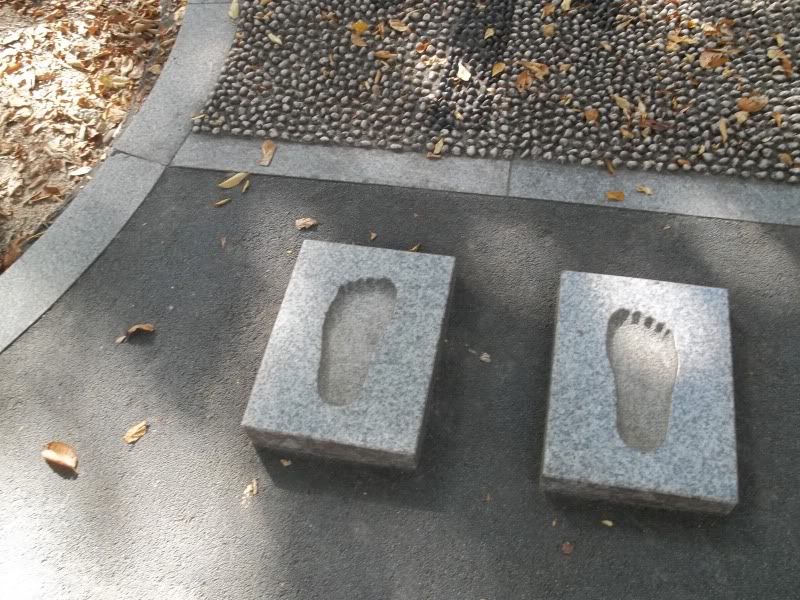
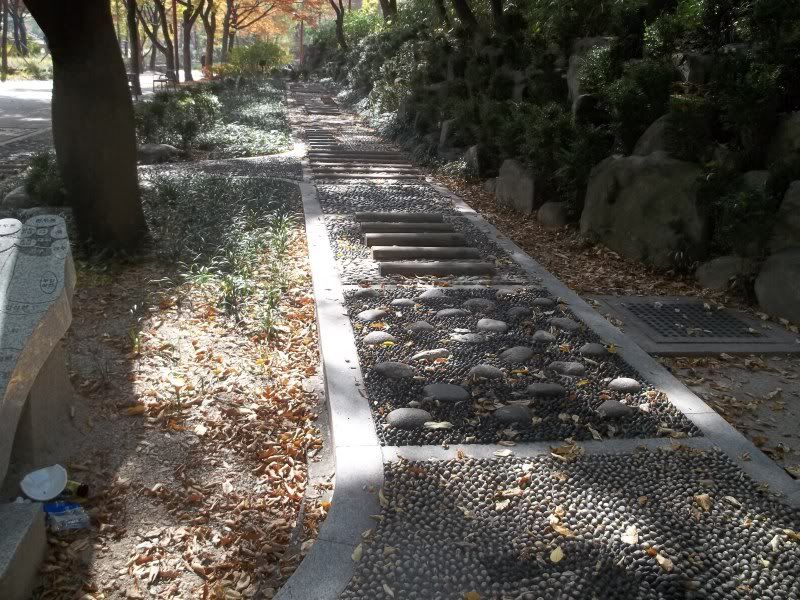
If your feet are in need of some relief there's also this walking path near the park entrance. What you're suppposed to do is remove your shoes and walk across the stones all the way around. I imagine this is supposed to have a massaging effect on the person walking, though I didn't try it myself. A large stone foot near the entrance to the path explains its purpose, I think (my Korean isn't good enough for that). It's the kind of thing you only find if you wander off the beaten path and have a look around at anything that seems interesting.


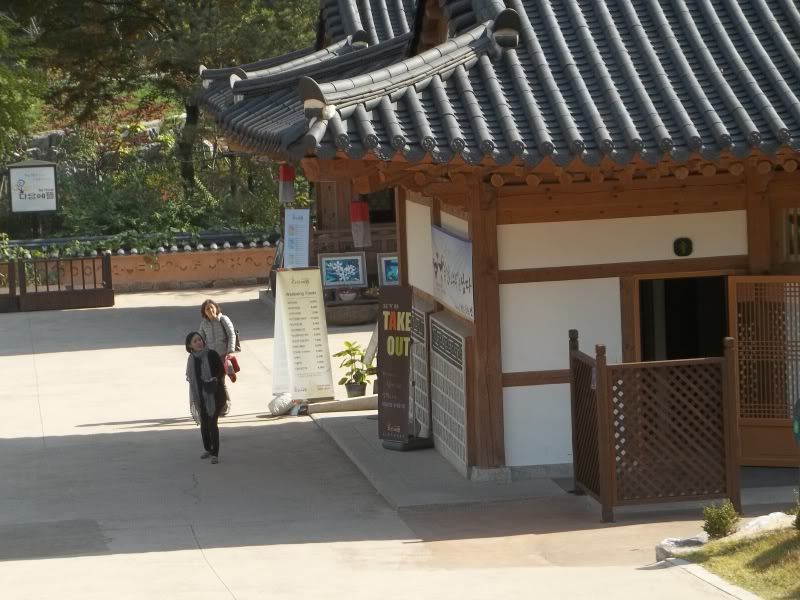
A teahouse near the bottom of the park, also where public restrooms are located.

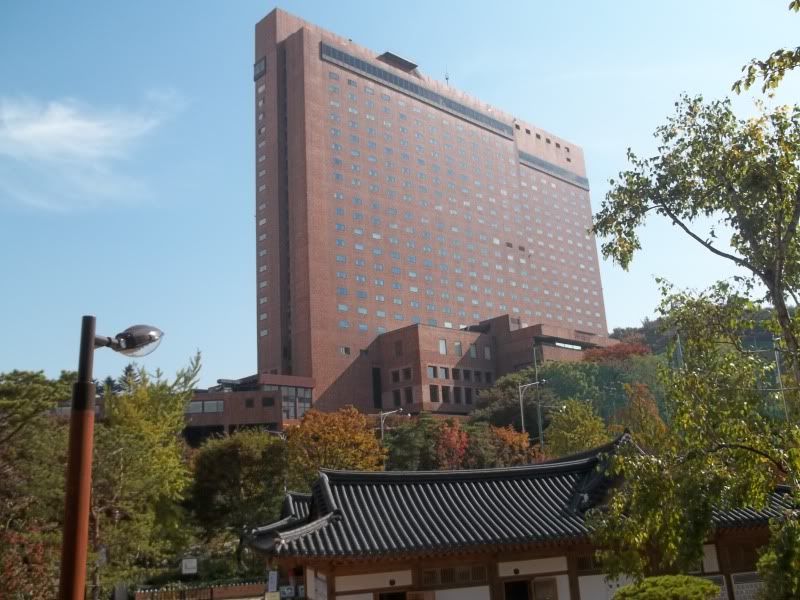
Visible behind the teahouse is a hotel named after a past dynasty - the Shilla Hotel.


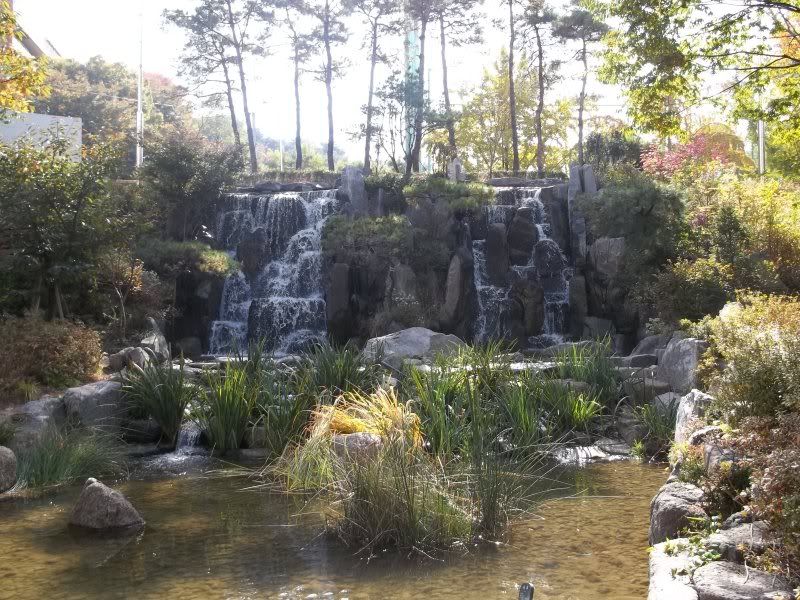
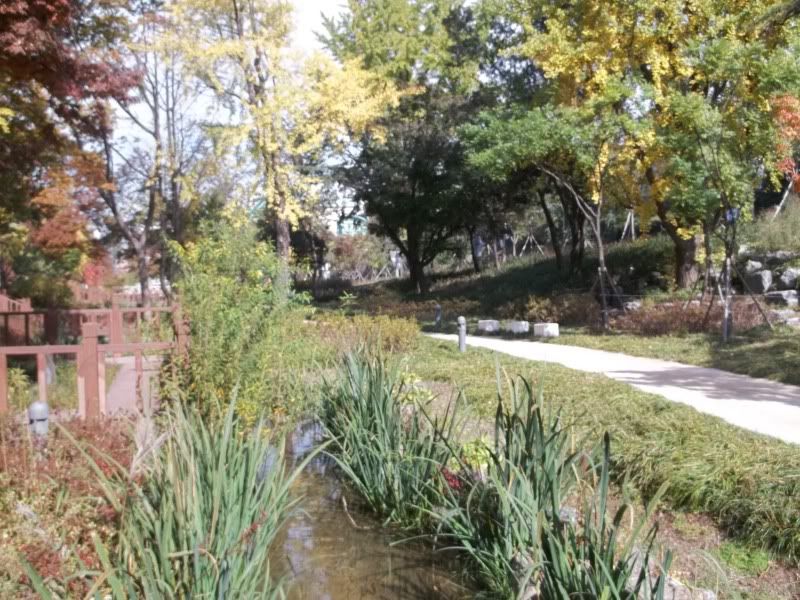
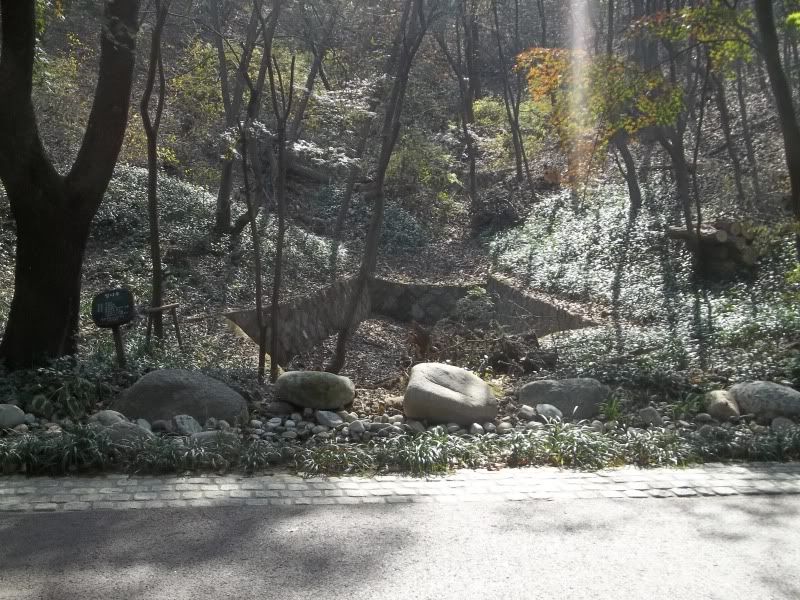
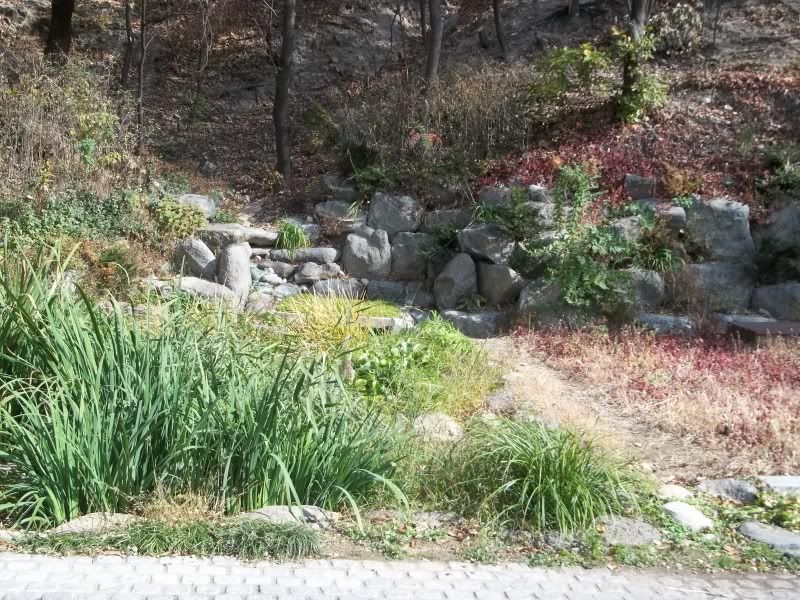
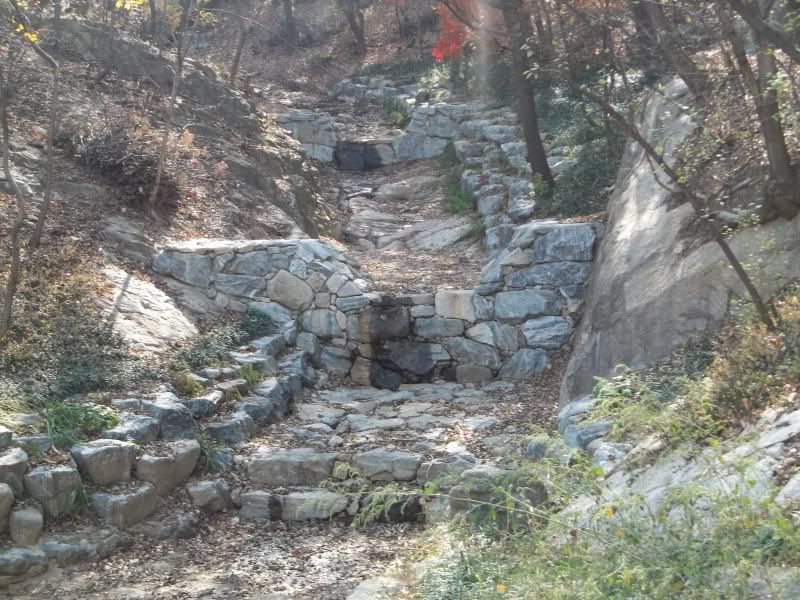
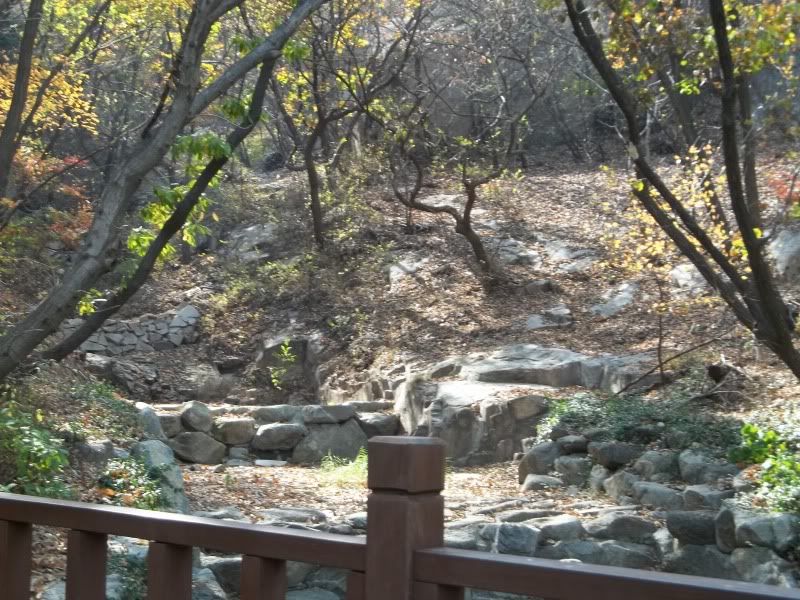
Finally there's also a nice walking path built through a man-made pond just before the teahouse. The biggest surprise was that at one end of this path was a waterfall, which you can see above. It's very peaceful to sit and reflect in this part of the park even though the street isn't far away. One can even see birds occasionally amongst the brush and trees at the park's entrance, again contrasting quite a lot with the modern metropolis that is Seoul.


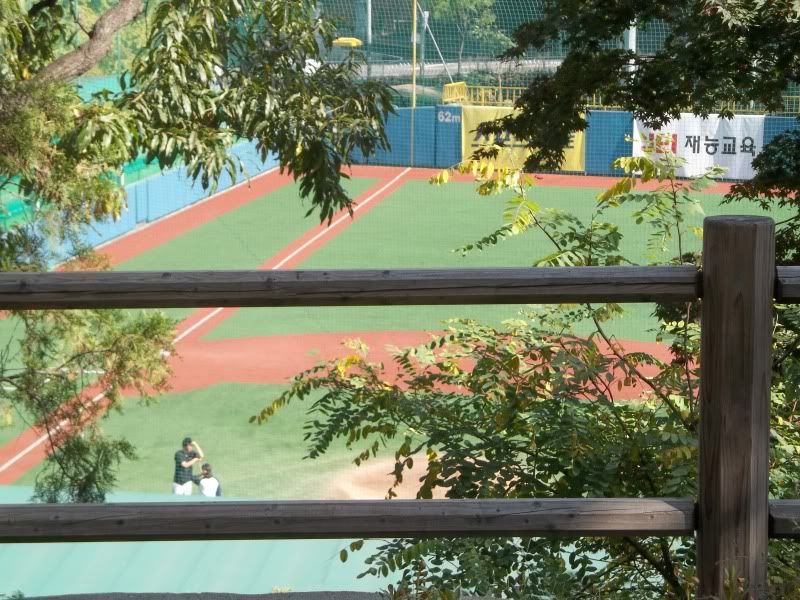
Modern Korea amidst the natural wonders of Namsan park: a little league baseball field.


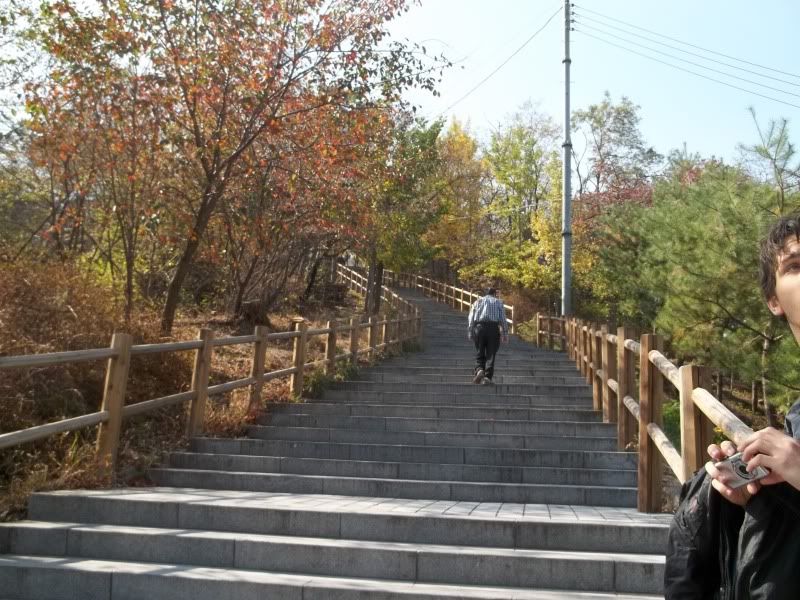
Even more stairs!

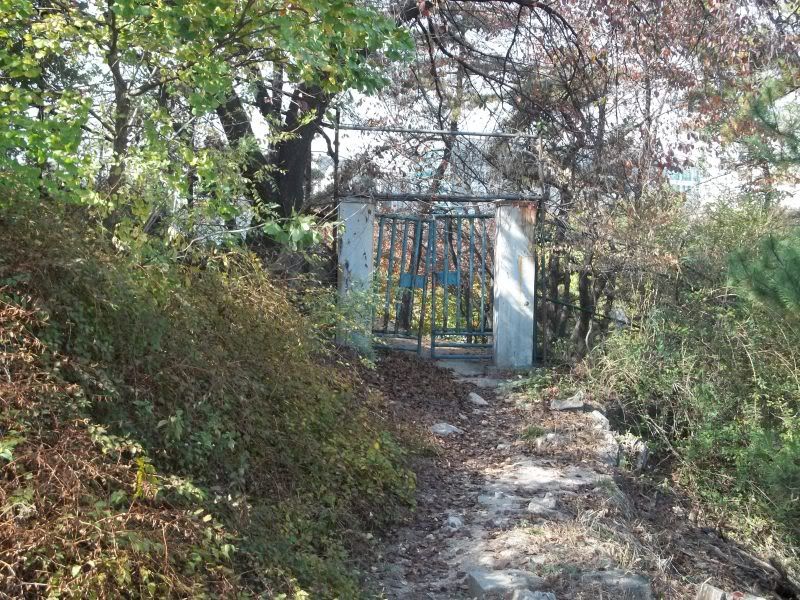
I saw this gate while on the hiking trail: it looks like it should be in a horror movie.


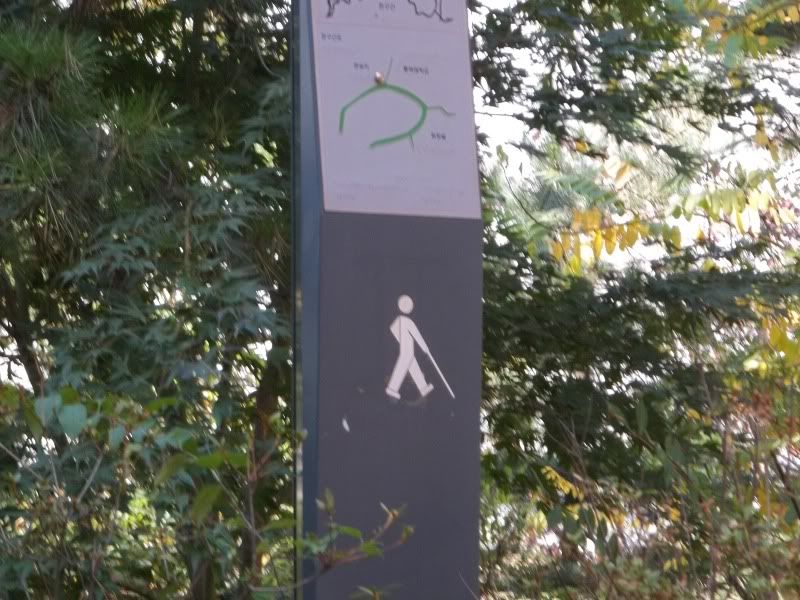
A map of the Namsan park hiking trail.


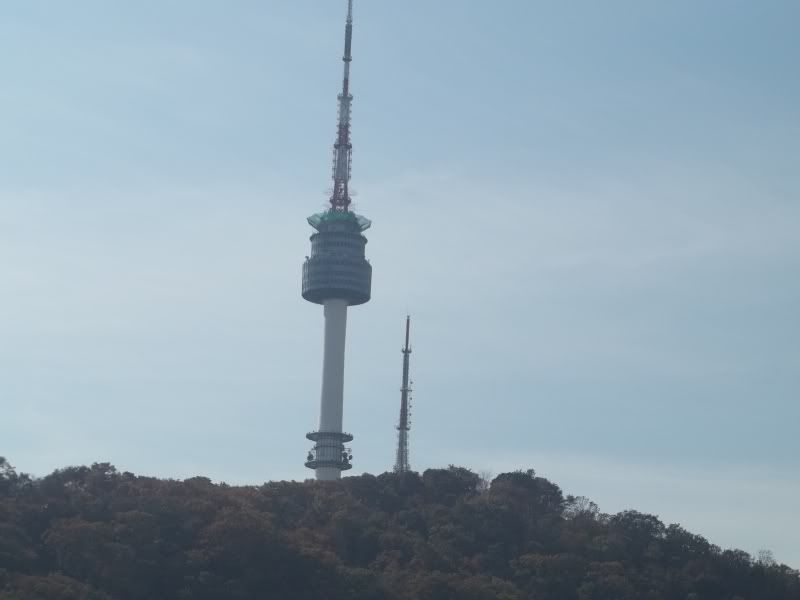
Namsan Tower, just visible from the trail.


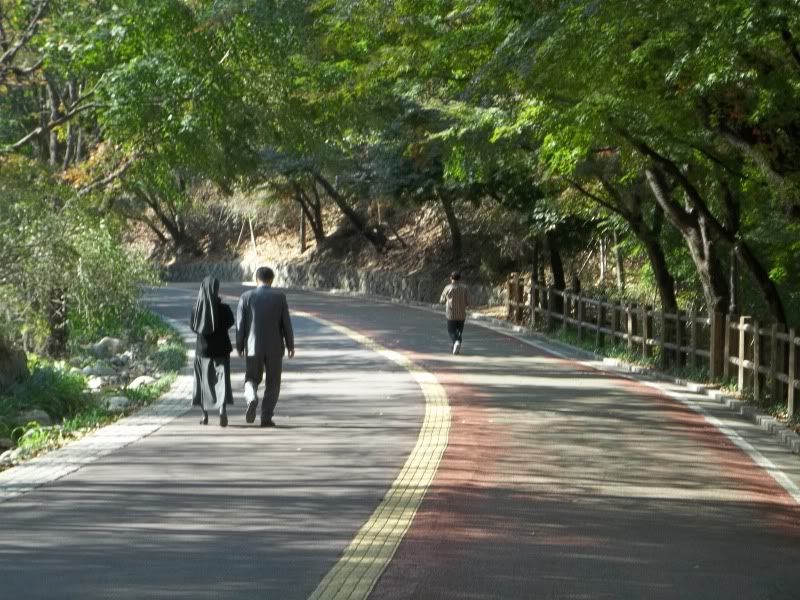
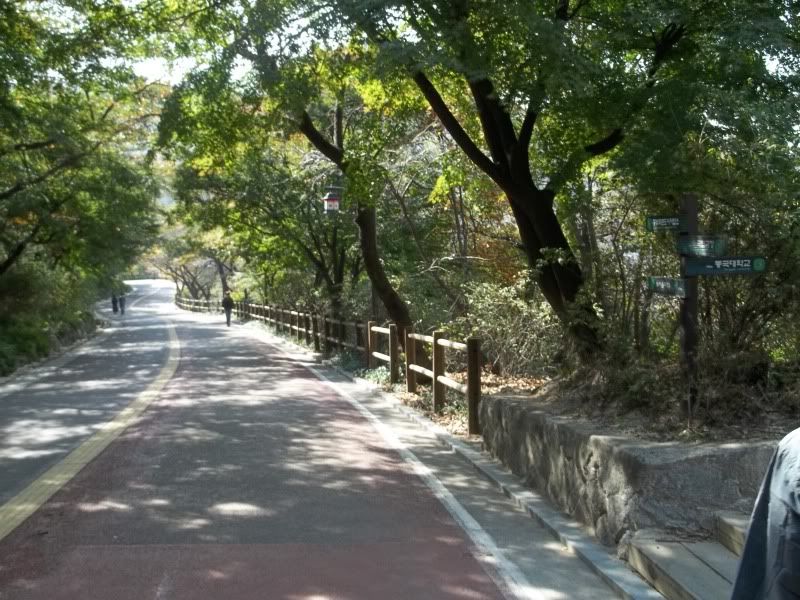
Once you're done taking in all the sights of the monuments and walking paths near the park entrance you can ascend further into some truly beautiful terrain. Just up another flight of stone stairs is the beginning of the Namsan hiking trail. This trail goes all around the park, and can take you to the tower itself as well as to the Namsan Hanok Folk Village. To get to the tower from the park entrance is just over a kilometer, so it'll take a little while to reach it.


What I did was to just relax and enjoy the trail itself, a nice break from the crowded subway train I'd been on just a couple of hours before. Having somewhere to get some fresh air and not be harried by urban movement was very relaxing and rewarding. I ended up at Namsan originally because my friend wanted to go somewhere natural. As it turns out I enjoyed it just as much because of the peaceful solitude Namsan provides.


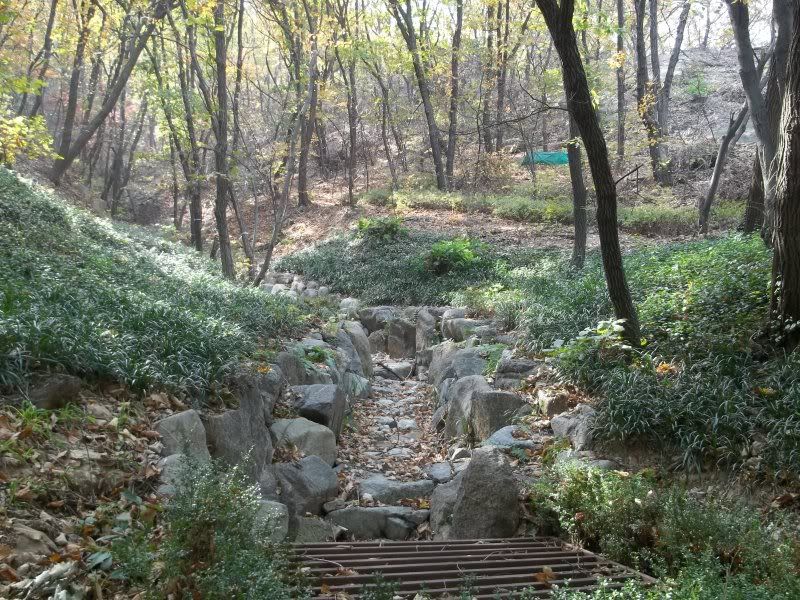
When we went there were very few people present. Most of those who were out taking in the park were middle aged or older and even then they were few and far between. While we didn't have the whole park to ourselves it certainly felt like it at times. And along the trail there were little things here and there that I noticed mainly because I wasn't looking for anything in particular. Such as the metal gate pictured in this blog that looks like it's straight out of a horror movie. And in another picture there's a green tent visible - someone was camping out in Namsan Park it seems.


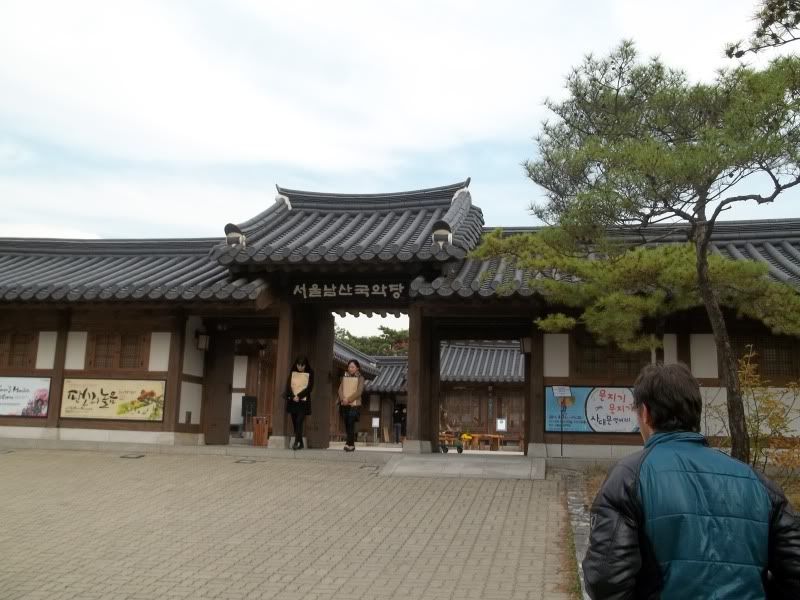
Nearby Namsan Park is the Namsan Hanok Folk Village. You can take the hiking trail as a long way around and to take in the supreme beauty of your surroundings. Or to get directly to the village you can take the subway to Chungmuro and exit about a block away from its entrance. While the park is free the activities in the folk village are not, though they're not prohibitively expensive. Touring the village and taking pictures is free of course, so if you just want to look around it won't cost you anything.


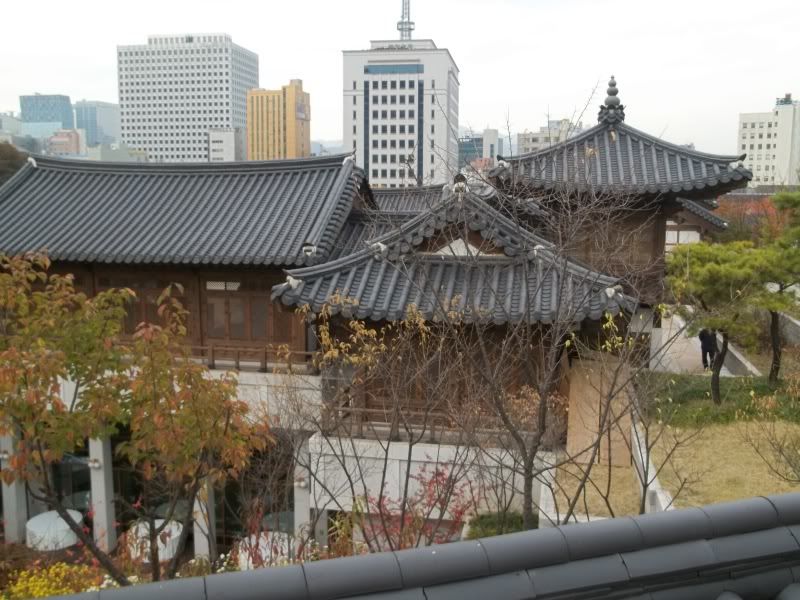
Traditional structures clustered amongst a separate park tell you that you've found the folk village. Here you can catch a glimpse into Korean life from the Joseon period, as well as partake in the aforementioned activities. These include an art gallery, making a traditional Korean flute or kite, and trying on hanbok, the traditional Korean costume. Doing this in the folk village is cheaper, but there is also building for the National Traditional Theater nearby that appears to have a wider range of costumes to try. Doing it at the theater office will cost you 10,000 won, but this is cheaper than going to a photography studio elsewhere and paying for such pictures. In addition the folk village has a tea house, where drinks are fairly reasonably priced and served in the traditional fashion.


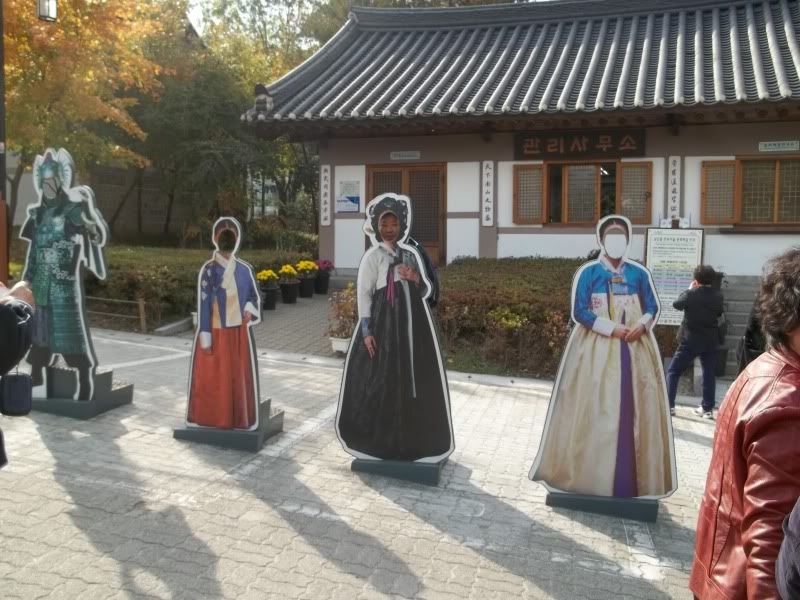
And if you really want to be cheap, there are these standups where you can put your face in and pretend to be wearing hanbok... or armor. Doing it this way is both amusing and free. So in total Namsan Park and the folk village are worth a visit if you want to get away from the bustle and hurry of urban Korea. You can do things relatively inexpensively here, if you have to pay at all, so it's very much worth a look if you're in the neighborhood.

Thursday, November 10, 2011

There are some things that you won't be aware of before you come to Korea, no matter how studied you believe yourself to be. Things like a Korea-only holiday that has distinctive paralells to an American-invented holiday. Over the past week I noticed a number of posters up around campus promoting something called 'Peppero Day'. Until yesterday I had no idea what Peppero Day even was, other than likely a sales campaign by the manufacturer of Peppero. Today I'll talk in breif about what I found out about this day.

A store dispay for Peppero Day.

First of all you may be wondering what Peppero is. Contrary to what the name might suggest, it doesn't contain any pepper. In fact it's virtually identical to the Japanese snack Pocky - both are cracker sticks covered in chocolate, sometimes with nuts or other additional toppings. Both are also fairly inexpensive in their normal forms, and come in a wide variety of flavors. Most commonly I've seen the regular chocolate and almond chocolate Peppero in stores around the school.

Now that we know what Peppero is, what is Peppero Day? After talking to students here I think I have something of an answer to that inquiry. Peppero Day is supposed to be a semi-romantic day where the snack is given to a significant other or a crush, or even just to friends. Displays were even put up on campus and just across the street from the back gate, with tons of different sizes and flavors of the snack food. There's a lot of promotion, and November 11 was likely chosen because the number 1 resembles a stick of Peppero in shape. Hence 11/11 looks like four sticks; 11/11/11 just ramps it up even more.

So that's the intention, but do people really celebrate the 'holiday'? It seems to be a mixed bag. A lot of younger people - presumably the target audience - don't seem to care too much, and some feel that it's just something Lotte came up with to try and sell more Peppero. To these the day has no significant romantic meaning. Others do purchase the snack and give it to someone special, though it's more likely that they'll share it with friends as well.

Finally, it seems to be very similar to America's Valentine's Day. Case in point: both are 'romantic' days invented by companies standing to sell more product due to the constructed meaning of said day. Peppero Day is just a little more obvious about it. Obviously there's a St. Valentine's Day, but any religious meaning has long since been replaced by the day of love that is now associated with February 14. So there's something I didn't know about Korea: it may be Veterans' Day in America, but it's Peppero Day in Korea!


An ad for Peppero Day sales.

Wednesday, November 9, 2011

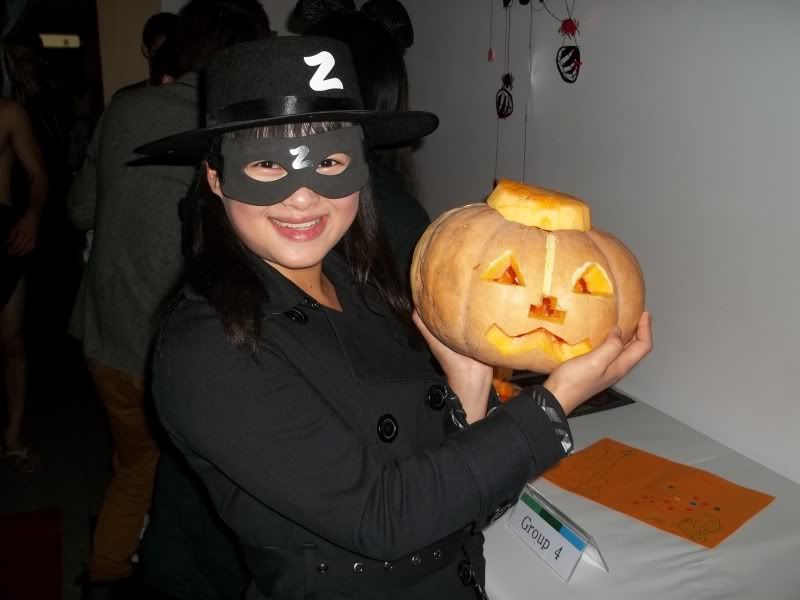
Lilly, one of the Chinese students, poses with the Jack-o-lantern her group made.

There are a couple of topics to touch on for this week's first blog update. Firstly, the sort of odd event that is Halloween in Korea. Obviously Halloween is a very western (American, even) holiday and event, so you'd think it wasn't terribly well known in Korea. Yet did see a handful of stores nowhere near 'foreigner' areas selling Halloween decorations and costumes. The number of these increased in places like Songtan, which is near a US Air Force base, and thus caters to a western crowd.

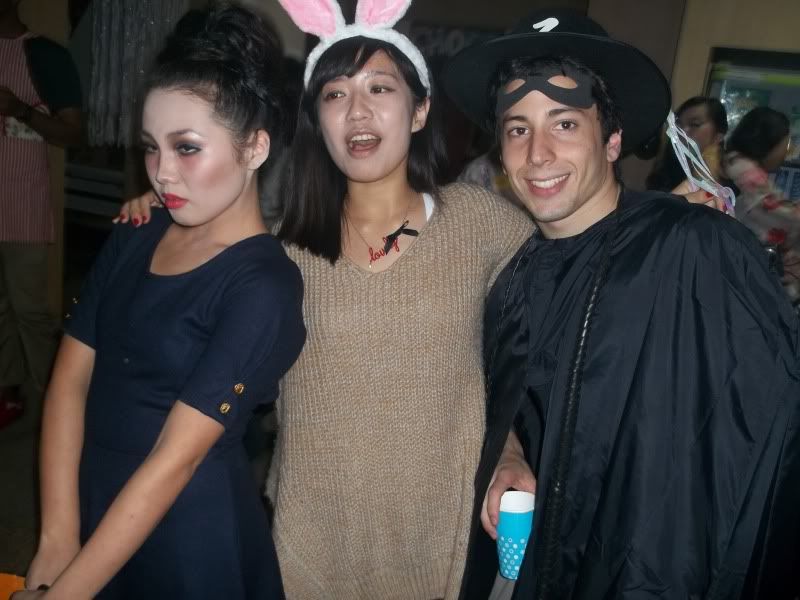
Primarily Halloween seems to be a reason to party in Korea, at least by what little I've seen of it here. SoonChunHyang University had its own Halloween party which was a mandatory event for students in the Global Village. I had originally planned on being in a student directed play competition, but was told I couldn't because the performance was on the same day as the party. When I arrived at the party I found out there was no way to keep track of who had attended - no attendance sheet or anything. This made me frustrated, as I could have gotten some very good practice with my Korean language skills by being in the play.

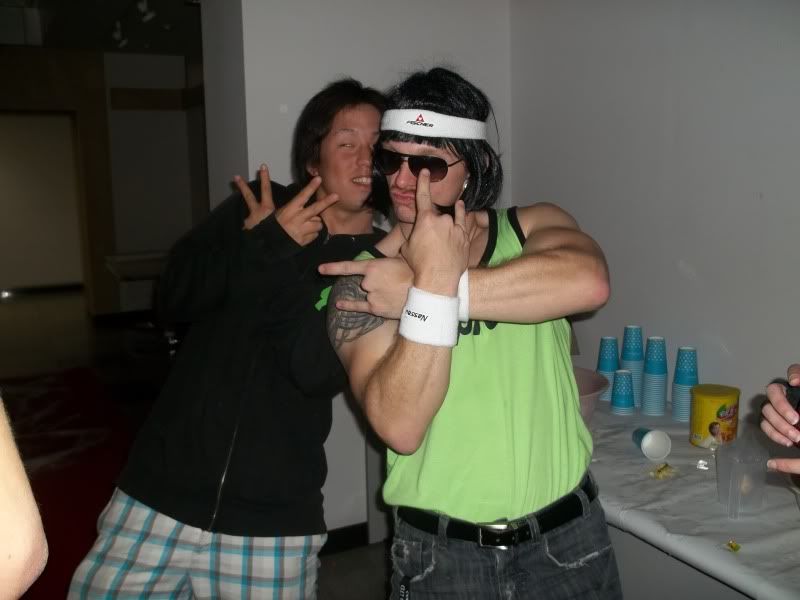
As it was, I've heard that many of the Korean students in the Global Village didn't show up for the party - they went home for the weekend instead. Those students that did attend the party had costumes of varying complexity, ranging from just a pair of rabbit ears to a full mascot costme rented from a store or website. While it was a chance to socialize with friends, the party itself many consisted of a costume contest (group and individual categories, both won by Japanese students), voting on Jack-o-lanterns that had been carved earlier in the day, and dancing. I left the party early in order to get enough rest for a planned outing to the National Museum with friends the next day.

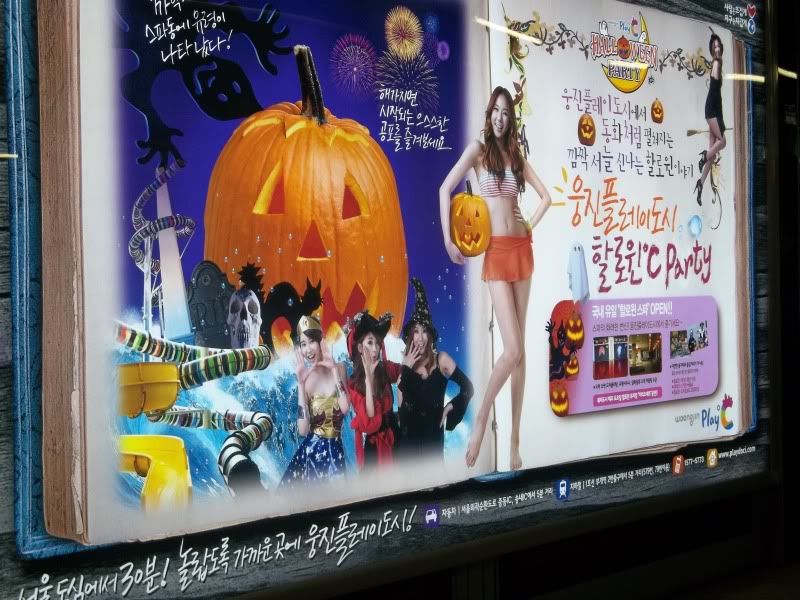
In addition, I've seen a few Halloween-related promotions around Korea. Dunkin Donuts (it's everywhere here) had decorations up at every location as part of a Halloween marketing campaign. They even had bat and ghost shaped donuts for sale. More notably I found what I believe is an advertisement for a water park using Halloween as a promotional tool. So what is Halloween in Korea, if anything? For foreigners, for parties and for advertising.


An ad for a water park? This is an example of Halloween related advertising, spotted at Songtan station.


The other thing worth discussing is that the Fall Semester can be a very good time to study in Korea if you want to see student artwork. As the end of the year draws near, art galleries in Seoul regularly display student exhibitions for all kinds of artwork. I'm not sure if all are free or if some require a small entrance fee, but it definitely is worth checking out. Such exhibitions aren't limited to a big city either; there's one going on at SoonChunHyang right now!


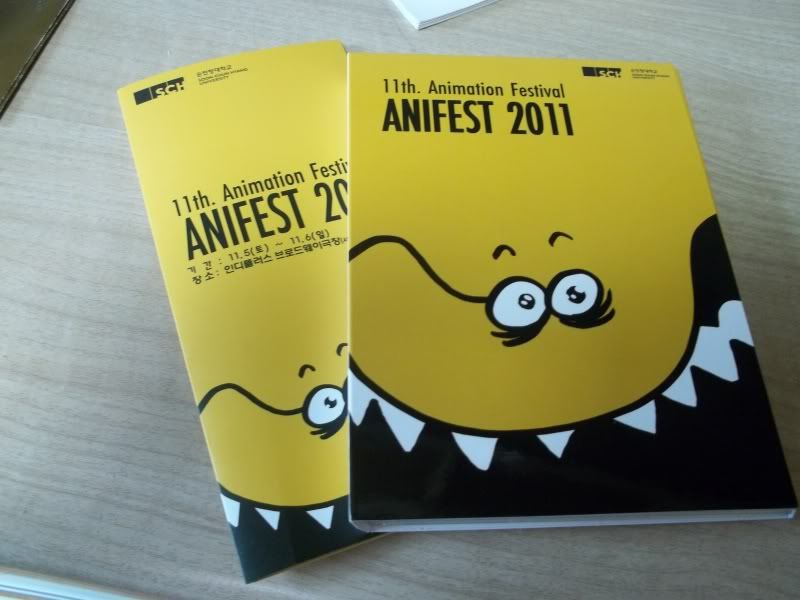
Not traditional gallery artwork but animation! Over the past weekend was the 11th annual SoonChunHyang University Anifest, the showcase for projects created by students in the animation department. I missed those showings but there's been another one starting yesterday (Wednesday) and concluding today. Like all of the entertainment on campus it's free for all comers, and it's a great way to see what the Korean students have worked so hard on.


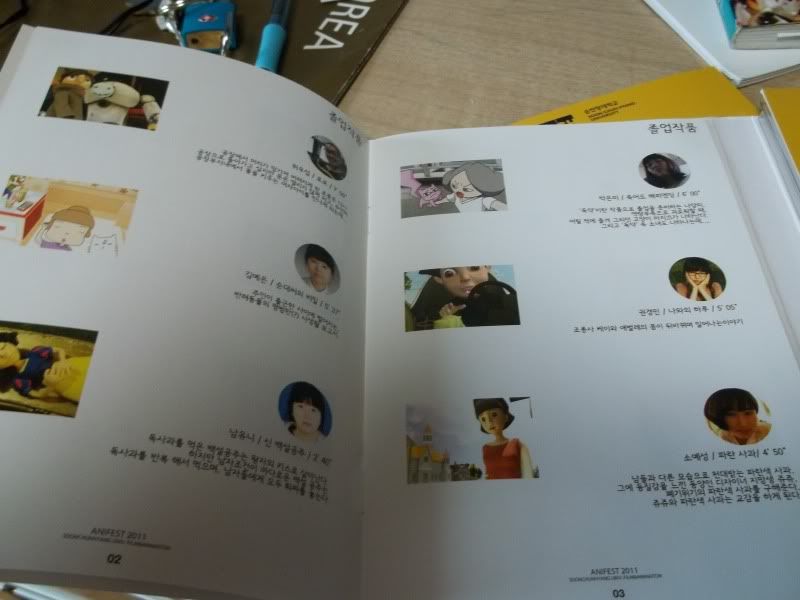
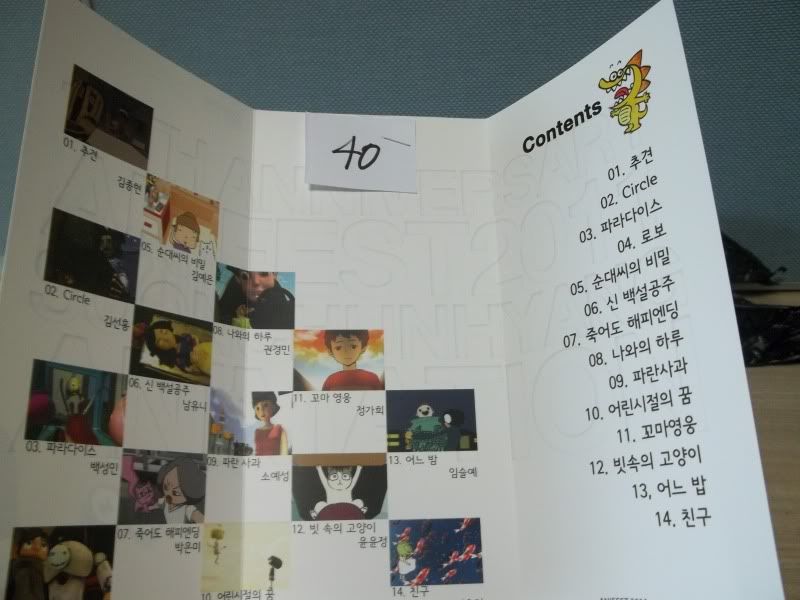
Some of the animation is purely computer generated while other shorts look to be partially drawn by hand. While the posters for the event say that the showings last from 5-8 pm, this means that they occur between those times. Something to keep in mind. The voice acting for the shorts is presumably done by the directors themselves, though sometimes extra voices are heard if there are too many characters who speak. Every program has a number in it, which serves as a raffle number for drawings held periodically during the program. And best of all, the DVD of all the shorts is only 5,000 won - under $5! It makes a much more unique keepsake from Korea than something you could buy at any store with souveniers.

The DVD of Anifest 2011 - only 5,000 Won!


Inside the booklet for the DVD.


A look at the program for Anifest.

Thursday, November 3, 2011


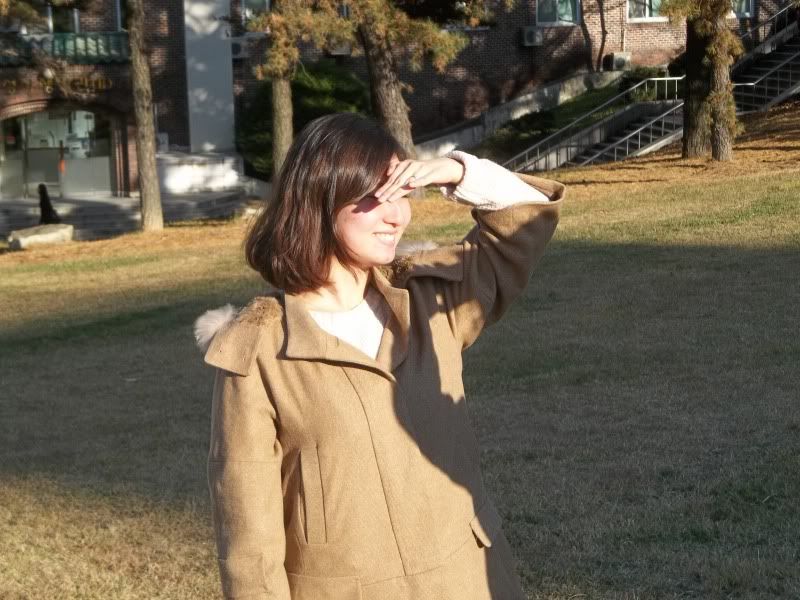
Soyan AKA the Hero of our Taekwondo film.

As I wrote yesterday, this first week after midterms has been kind of slow; so today I'll be writing about one of the midterm projects I worked on last week. All of my classes have been unexpectedly pretty simple, for a variety of reasons. One being that the instructors are Korean and therefore have varying ranges of competency in the English language. This could make grading papers by native speakers somehwat difficult. In addition our International Studies courses consist not only of native English speakers but Chinese, Korean, Japanese and other nationalities. They all have varying abilities in English as well, so having a more difficult body of coursework would be out of the question - grading papers expecting fluent college level English might be too much given that reality. Still, I've been surprised by how little homework and other assignments there actually are at Soonchunhyang.

That aside, today's topic of discussion is the midterm video project for my Contemporary Korean Cinema and Culture course. Each of the four discussion groups is assigned a topic - the possibilities included hanbok, kimchi and bibimbap, K-Pop and taekwondo. Our group chose taekwondo and set out to make a very low budget action film displaying the martial art. Every group seems to have had a different approach to filmmaking, and ours was pretty straightforward.


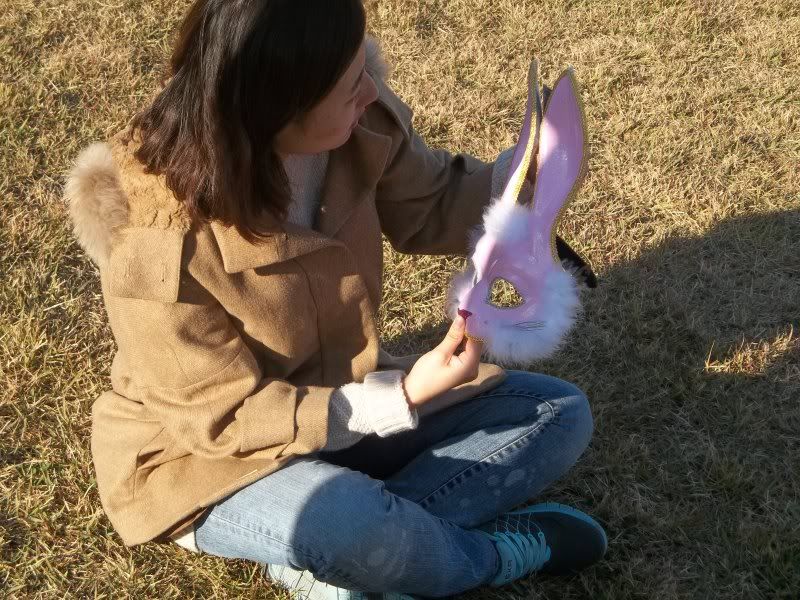
KyungAh plays the Beautiful Girl, and is a shoe-in for Best Actress in a Leading Role.


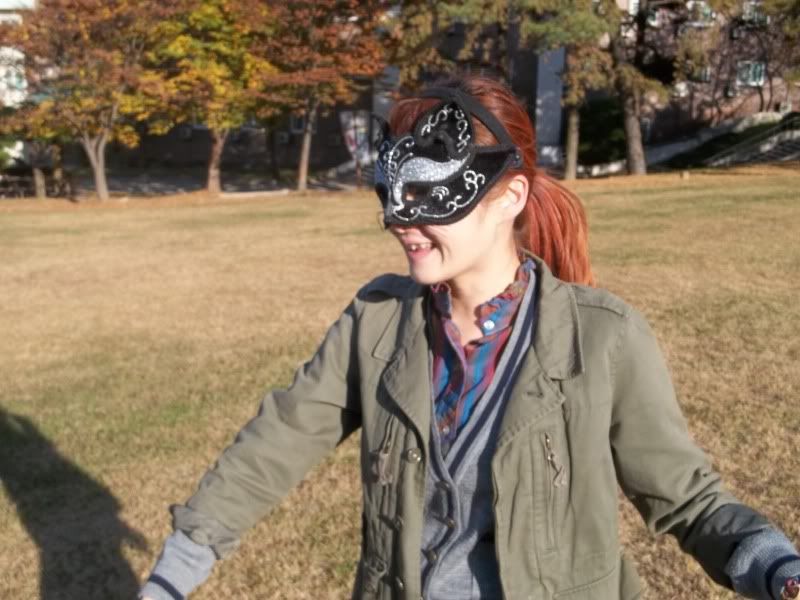
Akiko in her role as The Boss, chief bad guy.


There wasn't a script for our amazing film, it was all just thought up on the spot. Rather than a video camera we used an iPhone to film the shots that made up our 2 and a half minutes or so of action. Our main antagonist and director Akiko provided the phone and silly masks for the villains, as we wanted to create something that could make the class laugh. Everyone was assigned roles on the spot as well. Soyan was the hero due to his being the only member of our group who knew taekwondo. KyungAh was the heroine/damsel in distress the hero rescued with his martial prowess. Akiko was the Boss, the head villain, while I was her Canadian henchman.


When choosing a location to film, there are plenty of places to do so on campus. The K-Pop group filmed theirs in the lounge in the Global Village lobby. It appears that the kimchi/bibimbap group filmed theirs in a restaurant and then conducted interviews in and around Global Village. For our taekowndo film we travelled to the big lawn near the back gate of the school, through which one passes en route to most of the dining establishments in Sinchang. This wide open space was devoid of others on the day of filming, which made it ideal for our project.


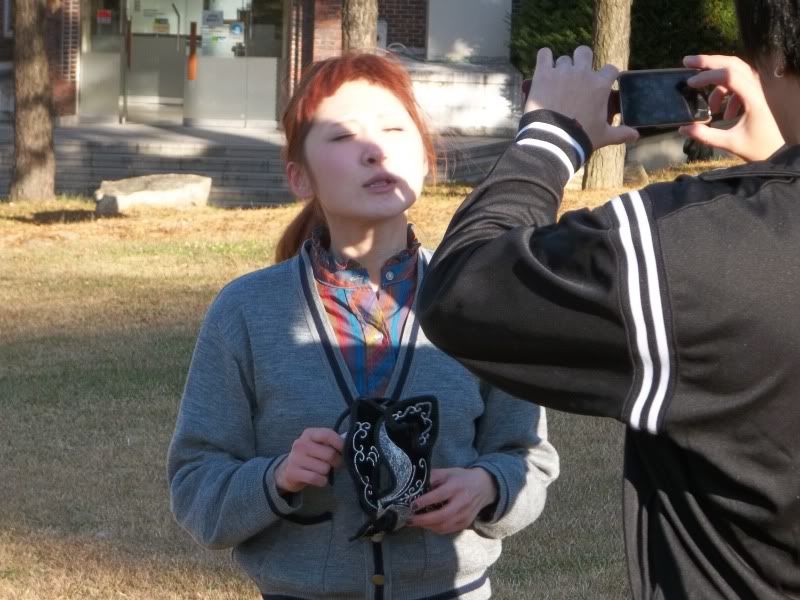
Akiko as our illustrious director.


In sum I kind of felt like we were emulating the directorial style of Ed Wood - though we were intentionally being comedic. I say this because we only did one take of every shot, which means that the fight scene is hilariously akward. However, that was the whole idea. The rest of the filming was of each cast member explaining what their part was, for use as the film's credits.


It was pretty easy and entertaining to work on, and this was one of the hardest assignments for the semester thus far. What I can tell you from this experience is that finding people you work well with is very useful for the Korean Cinema class. Our group is very quick about coming up with ideas for our presentations and projects, which allows us to get on with the actual preparation work. Communication is important too, as one would expect, in order to ensure that your work is coordinated with the others, and that discussion topics end up tying in with one another.